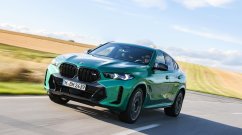
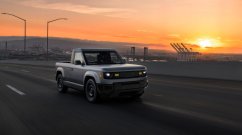
Automotive visuals have a demanding job. Each photo of a car or bike on a launch page must instantly communicate design precision, performance attitude, craftsmanship, and brand identity, all in that split second when a viewer looks at it. When images fall short due to poor lighting, motion blur, or low resolution, an entire campaign can feel underwhelming. That’s exactly where AI steps in to make image clearer without the trouble and cost of reshoots.
Dreamina has become a key part of this evolution. The platform helps automotive professionals refine, upscale, and recreate their visuals while preserving the original design intent. Instead of using AI as a last-minute fix, car and bike makers are now integrating it early in the creative process to ensure their catalogs and lookbooks look flawless and consistent from the prototype reveal to the final showroom presentation.
Why automotive visuals require more than basic retouching
Car and bike photography isn’t about snapping pretty pictures. It’s a science of highlighting design details, the glint on chrome, the satin gleam of metallic paint, the tire’s textural depth, or the curve of a fuel tank under sunlight. A standard editing tool often forces content creators to choose between sharpness and realism, and that trade‑off isn’t ideal in automotive storytelling.
AI‑based image enhancement approaches vehicles as three‑dimensional subjects with layered reflections, contours, and light behavior rather than flat pixels. It’s especially valuable when photographers can’t organize reshoots, such as during prototype embargoes or tight marketing timelines.
In practice, AI assists creativity and technical teams by:
- Reconstituting the surface details and paint textures lost during compression.
- Having balanced light and tonal variation at the various angles.
- Maintaining a consistent image quality across campaigns across countries.
The outcome is a visual collection that feels meticulously planned rather than hastily pieced together.
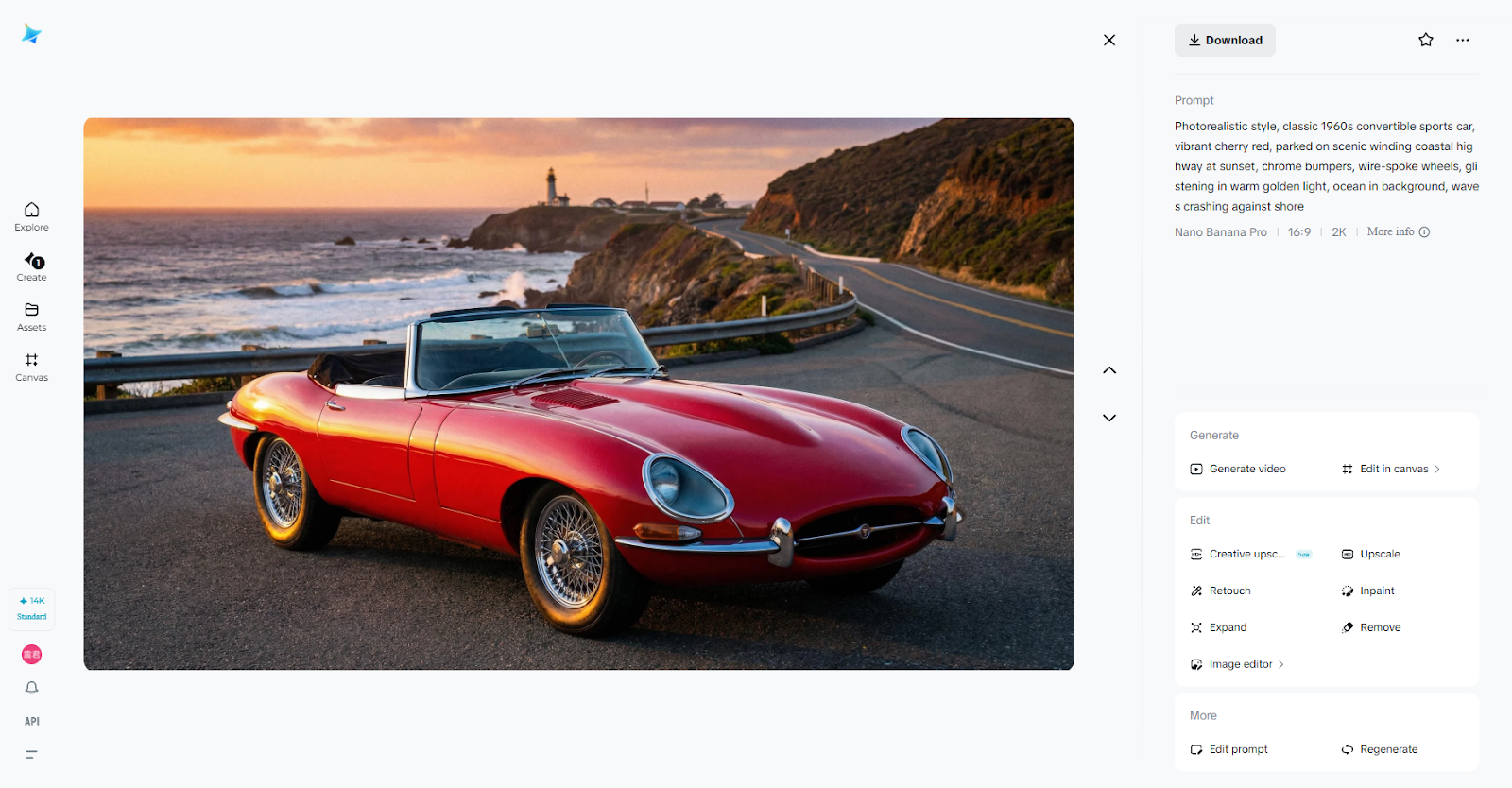
Consistency in automotive campaigns with AI assistance
Consistency is often the missing link in car and bike photography. Launch images might come from various cities, tracks, or studios, creating visual disconnection. AI brings them together by harmonizing tone, sharpness, and contrast, which builds a unified story for the brand.
When the same enhancement logic runs through every image, the collection instantly looks cohesive. It’s particularly vital for online showrooms and automotive e‑commerce platforms, where even small inconsistencies can make potential buyers lose confidence in a brand’s attention to quality.
Some forward‑thinking manufacturers are experimenting with AI human generator tools to create virtual drivers, bikers, or cinematic backgrounds. These digital assets give creative teams more flexibility to design promotional visuals without arranging extra shoots, useful for concept designs, color options, or futuristic renderings.
Static visuals to dynamic driving visuals
Automotive marketing is shifting gears from stills to motion. Today’s brands are transforming high‑resolution images into engaging, AI‑generated videos ideal for digital launches and social platforms. These visual sequences help audiences feel the speed, charisma, and essence of design.
The video meme generator is one such creative ally. It transforms static car or bike images into expressive video clips using text cues or reference photos. With AI, everything from reflections on body panels to motion in the background looks vivid and true to life, even without using heavy animations or captions.
This innovation allows automotive brands to multiply content output without losing aesthetic precision or creative direction.
When vehicles receive a second detailing: Improvement with Dreamina
Dreamina offers a seamless, visual workflow that gives automotive teams full control without needing complex technical skills. It’s much like giving your car or bike a professional detailing job digitally.
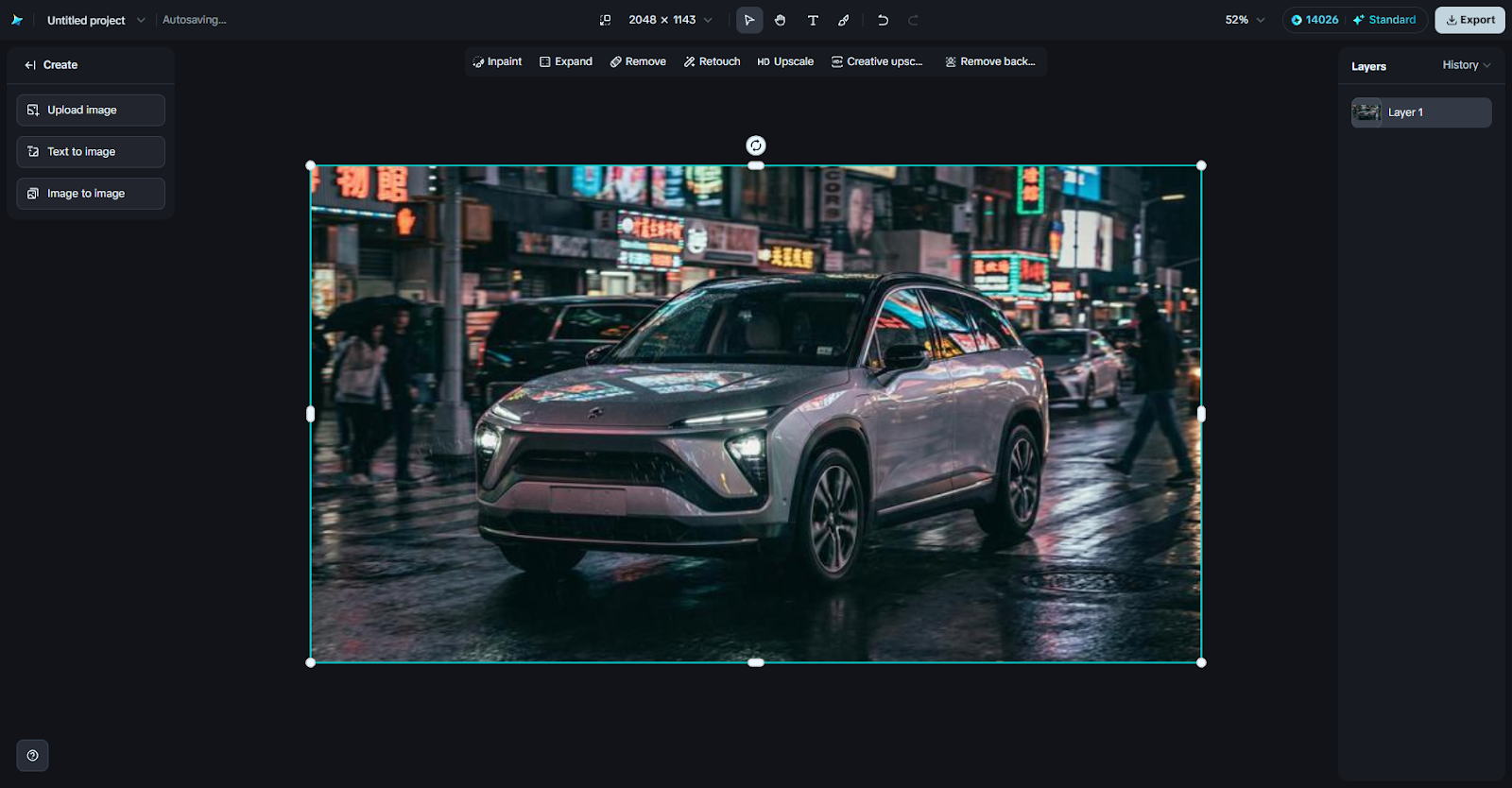
Step 1: Upload your blurry image
Log in to Dreamina and open “Canvas.” Upload the image you want to fix, maybe it’s a motion shot from a test drive, a blurred motorcycle drift capture, or a low‑light showroom click. Once imported, the AI reads contours, reflections, and dynamic lines to prepare for enhancement.
Step 2: Using repair tools
Select Retouch to sharpen highlights such as headlights, tire treads, and grille lines, or pick Creative Upscale to improve clarity without distorting lighting. Many editors combine both options for results that remain real to the metal and material.
Step 3: Download your enhanced image
After processing, download the enriched image to use in your online catalog, print materials, or presentation decks. Your visual becomes launch‑ready in minutes.
Balancing realism and manufacturer intent
It’s easy for AI to overcorrect, resulting in excessively sharp reflections or unnatural glare that misrepresents the vehicle’s personality. That’s why it’s important to use enhancement tools that elevate an image while respecting the designer’s aesthetic. The creators can be given that precision control by Dreamina, enabling them to tweak the areas they want instead of making changes to the whole photo. It maintains the purity of colour, form, and brand voice.
Collaborative workflows powered by AI
AI‑enhanced content isn’t just about better visuals, it’s also about smoother teamwork. The same refined image library can be shared between marketing, P, and creative, ve making sure that the confusion of having various versions of the same image is avoided.
This unified visual language helps:
- Speed up review and approval cycles.
- Reduce redundant revisions.
- Align designers, marketers, and engineers.
When everyone’s looking at the true best version of a product photo, strategic decisions become faster and clearer.
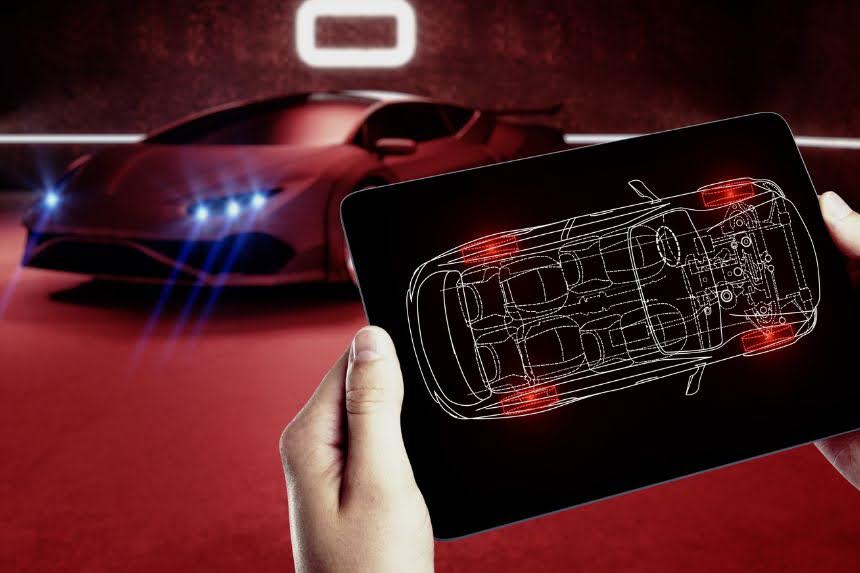
Automotive catalogs designed for every screen
Modern automotive campaigns live everywhere from nostalgic print flyers to digital car configurators. AI upscaling ensures output remains sharp and consistent across all devices and sizes.
Enhanced visuals:
- Load crisply on high‑resolution screens.
- Print cleanly without artifacts or pixelation.
- Allow deep zooming on textures and components without losing clarity.
This universal adaptability has quantifiable value when the brand exhibits cars in various locations and media.
Conclusion: AI is the silent designer in the garage
AI does not come to take away the creativity in the design of automobiles; it is coming to make it better. Through the increased clarity, color balance, and realism, AI assists brands in displaying vehicles in the way designers wanted them to look.
Dreamina gives car and bike teams the ability to provide flawless visuals and remain loyal to the mechanical and tactile beauty of the cars. It is either a new model ready to be unveiled or a new collection updated, but AI is behind the scenes as the silent designer - making each curve, shine, and shadow speak the language of the brand.