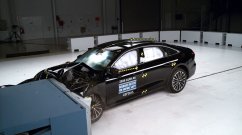
Actions that take your eyes, hands, or mind off driving are called distractions. These brief lapses often lead to crashes that could have been avoided.
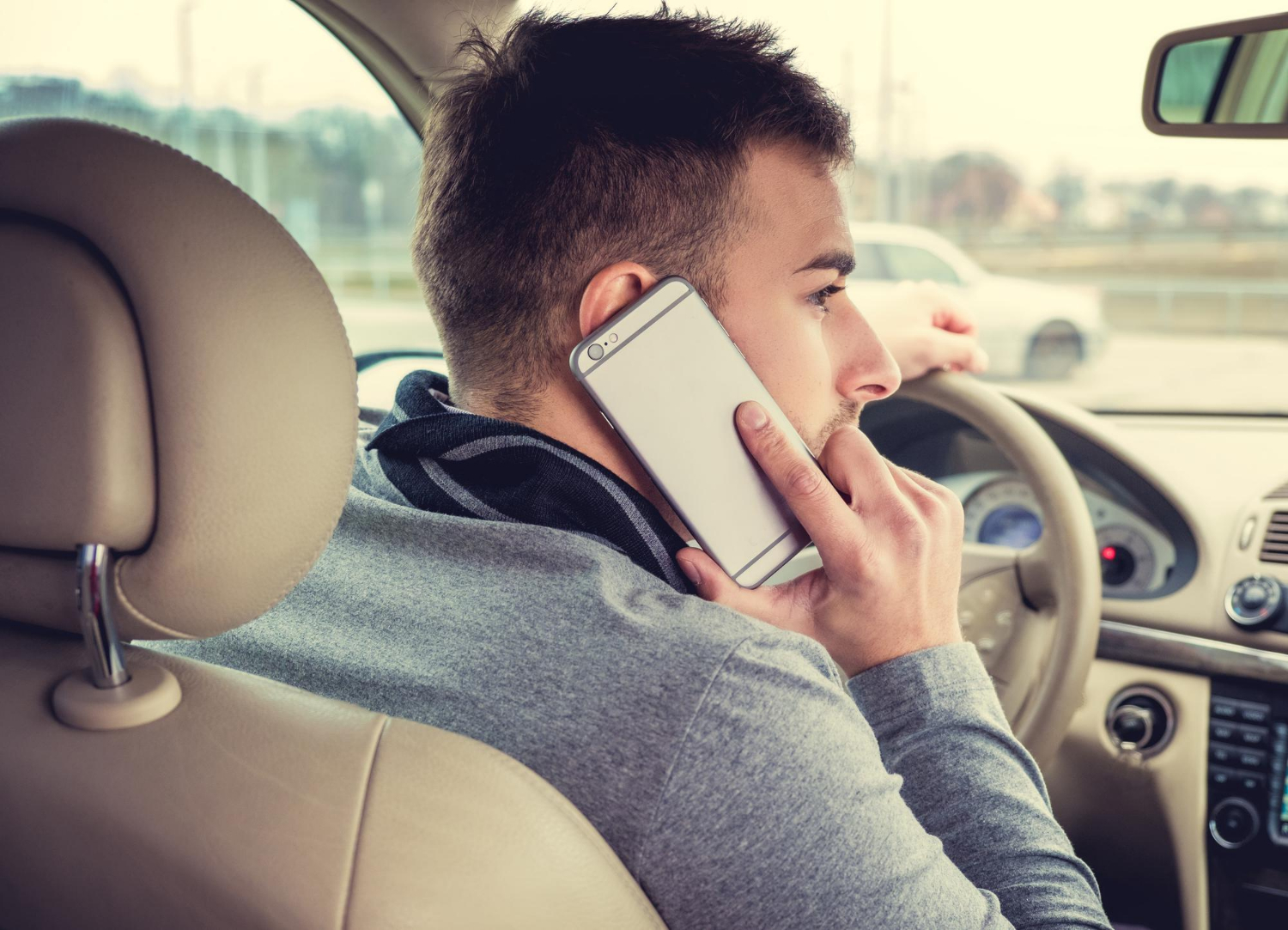
Every year, a lot of distracted driving accidents happen due to everyday habits. These habits may not appear dangerous, yet they take your focus away from the road. When you lose focus, your reaction time drops, and the risk increases quickly.
This article discusses the 5 most common types of distractions that lead to accidents.
1. Cognitive Distraction: When Your Mind Wanders
This is the most common type of distraction. It happens when your mind wanders away from driving.
You might be able to see the road, but you're really thinking about work or bills. Your ability to respond is slowed down by that mental drift.
A lot of the time, distracted drivers were just lost in thought. This problem is commonly caused by long trips and stress.
Even talking on the phone while using hands-free devices can create cognitive distraction. Your brain can't properly focus on two demanding tasks at the same time.
You may miss traffic signals when your mind wanders. You may also not notice sudden stops.
2. Cell Phone Use: Texting, Calling, and Scrolling
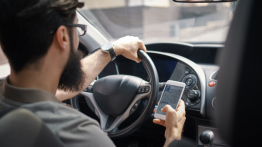
Cell phones can distract you visually, manually, and mentally. That combo makes them quite dangerous.
Texting is especially dangerous since it requires you to use your hands and eyes. It also pulls your thoughts into the message.
When you're going fast on the highway, looking at your phone for five seconds can cover a lot of ground. That quick look could mean missing a brake light.
The same risk comes from scrolling through social media or checking notifications. A lot of drivers think that a quick peek won't matter, but accidents happen in a matter of seconds. That short delay can change everything.
3. Rubbernecking: Watching Outside Events
When drivers stare at things happening on the side of the road, that's called rubbernecking. This happens a lot near construction sites or crashes.
It's okay to be curious, but it steals a person’s visual focus. Drivers can suddenly slow down or move into another lane. This kind of behavior often leads to secondary crashes, and one accident quickly leads to another.
Billboards and flashy signs can also get people's attention. Even brief glances increase the chance of a crash. It may sound simple to keep your eyes focused, but a lot of drivers still have trouble with this temptation.
4. Passengers and Pets: In-Car Interruptions
Passengers can be useful or distracting. When people are talking or fighting loudly, you are forced to pay attention.
Sometimes, drivers turn around to talk to their kids in the car. That quick turn takes away all visual attention.
Having pets move about inside the car can also be a concern. Drivers may try to calm or hold them down. These actions make it hard to focus both physically and mentally.
Even friendly conversations can reduce awareness, and many people still engage in these discussions because they don't know how much brainpower it takes to have complex conversations.
5. Eating and Drinking While Driving
It appears convenient to eat while driving, and this happens a lot because people are so busy with multiple tasks. Unfortunately, holding food means you have to take one hand off the wheel.
Also, cleaning up spills draws attention away. Drinks that are hot can cause sudden reactions, and a spill may make you swerve or hit the brakes forcefully.
Fast food wrappers and cups can create clutter that can increase distraction time when one tries to reach for them. It might seem like a good idea to eat while driving, but the reality is that it makes it more likely that you'll lose control.
Key Takeaways
- Distractions take your mind, hands, or eyes from driving.
- The most common type is cognitive distraction.
- Cell phones lead to visual, manual, and mental distraction.
- Rubbernecking typically causes secondary crashes.
- Passengers and pets can quickly take your attention away.
- Eating and drinking will make you take your hands off the wheel.