When it comes to choosing a new vehicle, safety is one of the most important factors for many buyers. Particularly for families or those who frequently drive long distances, the safety features and crash-test ratings of an SUV can make a significant difference.
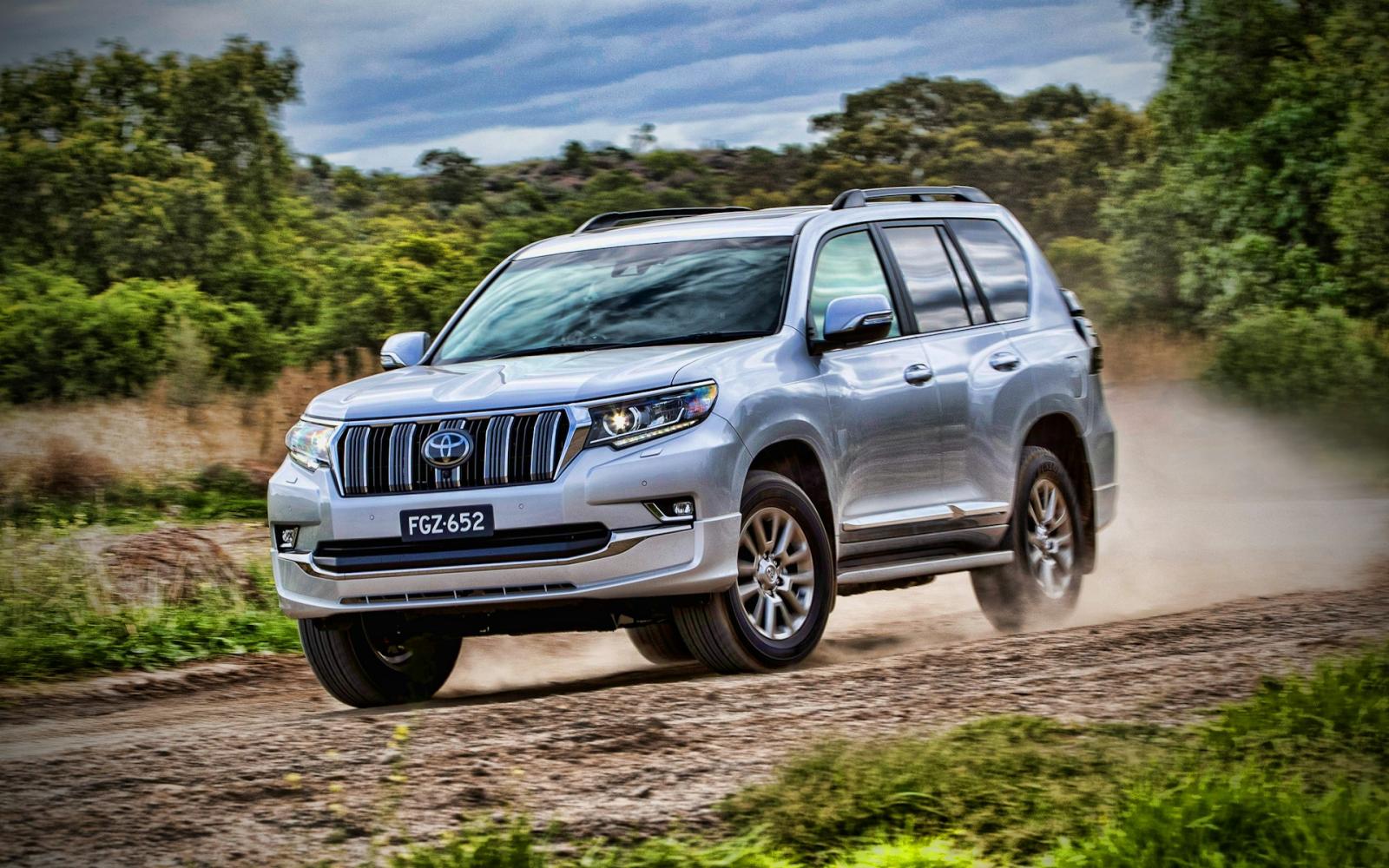
Photo by HAMZA YOUNAS on Unsplash
As consumers become more aware of the risks associated with driving, understanding the safety ratings of different SUV models is essential to making an informed decision. Let's explore how safety ratings influence the selection of an SUV, focusing on crash-test results, features, and real-world safety performance.
Understanding SUV Safety Ratings
The safety ratings of SUVs are determined through rigorous testing by organizations like the National Highway Traffic Safety Administration (NHTSA) and the Insurance Institute for Highway Safety (IIHS). Consumer Reports explains that these tests assess multiple aspects of vehicle safety, including crashworthiness, rollover risk, and safety features like airbags and seatbelts. NHTSA uses a star rating system, with five stars being the highest rating, indicating excellent overall crash protection.
SUVs with high safety ratings tend to have better structural integrity, advanced safety systems, and features designed to protect passengers in the event of a crash. With the increase in accidents and crashes on the road, these ratings provide consumers with vital information about which models are the safest options.
Large SUVs: A Key Safety Consideration
For families who prioritize comfort and convenience, finding an SUV with ample space is crucial to ensure a smooth and safe ride. And when it comes to choosing an SUV that offers both safety and comfort, many buyers look for spacious SUVs that can comfortably accommodate their family or passengers while providing adequate safety features. Plus, spacious interiors make it easier to install child safety seats and provide more flexibility in emergency situations.
Crash Test Results: Key Indicators of Safety
Crash tests are one of the most important indicators of how well an SUV will perform in an accident. Edmunds highlights that the IIHS performs several key crash tests, including front-impact, side-impact, and rear-end collisions, to determine the safety of a vehicle.
A top-rated SUV often excels in these tests, providing better protection for the driver and passengers. The more rigorous the crash tests and the better the results, the higher the confidence consumers can have in the safety of their vehicle.
SUVs that score well in these crash tests are more likely to be equipped with advanced safety technologies such as automatic emergency braking, lane-departure warnings, and blind-spot monitoring, which further improve their safety profiles.
Role of Advanced Safety Features in SUVs
Modern SUVs are equipped with a variety of advanced safety features designed to enhance protection in case of an accident. Kelley Blue Book emphasizes that features like forward-collision warning systems, adaptive cruise control, and automatic emergency braking are becoming standard in many new SUV models. These features help reduce the likelihood of accidents by alerting drivers to potential dangers and even taking control to avoid collisions.
While crash test ratings provide valuable insights, these active safety systems add an additional layer of protection by preventing accidents before they happen. For example, the use of adaptive cruise control and lane-keeping assistance can help avoid crashes in high-speed scenarios, providing further reassurance to consumers.
Real-World Safety Performance and Consumer Reviews
In addition to official crash tests, real-world safety performance and consumer reviews are valuable resources when selecting an SUV. Edmunds’ Safest SUVs for 2025 and 2026 offers insight into how well SUVs perform in everyday driving conditions, including their ability to handle unexpected situations. Consumer reviews often provide feedback on how a vehicle behaves in real-world driving scenarios, offering information on handling, braking distance, and the effectiveness of safety features.
This real-world data, combined with official ratings, gives consumers a holistic view of the vehicle’s overall safety performance, allowing for a more informed choice when selecting an SUV.
The Benefits of Investing in a Safe SUV
Investing in a safe SUV can offer numerous benefits beyond peace of mind. Kelley Blue Book explains that safe SUVs often have higher resale values, as consumers are willing to pay more for a vehicle that offers superior safety and protection.
These vehicles also tend to require fewer repairs and maintenance over time, as they are designed with durability and safety in mind. Additionally, insurance companies may offer lower premiums for vehicles with higher safety ratings, reducing the overall cost of ownership.
Choosing a vehicle that prioritizes safety can also result in fewer accidents, which in turn leads to fewer medical expenses, repairs, and legal fees.
Key Safety Features to Look for in an SUV
When selecting an SUV, it's important to consider the various safety features that can make a significant difference in protecting the driver and passengers. These features not only enhance the safety of the vehicle but also contribute to the overall driving experience. Here are some key features to look for:
- Forward-collision warning systems: Alert the driver of an impending collision with another vehicle or object.
- Automatic emergency braking: Automatically applies the brakes to prevent a collision or reduce the severity of an impact.
- Lane-departure warning and lane-keeping assistance: Warns the driver if the vehicle is drifting out of its lane and may automatically steer the car back into position.
- Blind-spot monitoring: Alerts the driver of a vehicle in the blind spot, improving lane-change safety.
- Adaptive cruise control: Maintains a safe distance from the vehicle in front and adjusts speed to match traffic flow.
These advanced features significantly enhance the safety profile of an SUV and can reduce the likelihood of accidents, especially in challenging driving conditions.
Selecting an SUV is a significant decision that involves considering many factors, but safety should always be at the top of the list. By paying attention to safety ratings, crash-test results, and advanced safety features, consumers can ensure that they choose an SUV that not only provides comfort and space but also offers maximum protection in case of an accident.
Whether you're looking for capacious SUVs with third-row seating or vehicles equipped with the latest safety technologies, a well-researched decision will ensure that your family stays safe and secure on the road.