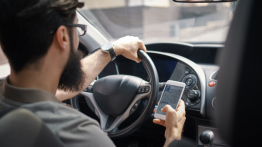
In Florida, distracted driving refers to activities that take a driver's attention away from driving a vehicle safely. This may include texting, eating, operating navigation, or talking to passengers rather than traffic. The Florida Statutes explicitly outlaw the practice of sending or reading messages by hand while operating a vehicle, under §316.305.

Image by senivpetro on Magnific
The Florida road system is a constant stream all year round, with tourism, population growth and lots of commuters using the roads. The state has also extended the restrictions on cell phone use in areas of the state where drivers will face a higher risk of a crash.
As distracted driving laws keep evolving by the country, many motorists have questions like, is Florida a hands free state? Let's take a look at what constitutes distracted driving in Florida!
1.Texting While Driving
Texting is a familiar distracted driving behavior in Florida. Section 316.305 prohibits drivers from typing messages, texting or reading electronic communications while driving.
The driver's eyes are away from the road for several seconds when reading or sending a text. This can be enough for drivers to miss other drivers stopped on the road or pedestrians at highway speeds.
2.Utilizing GPS or Mobile Apps
Navigation systems are supposed to assist the driver to arrive at the destination, but operating it whilst behind the wheel can be hazardous. It takes a lot longer to react when looking down to enter the directions or switch between the apps.
Distraction for drivers is often caused by:
- Adjusting GPS routes
- Looking for music playlists
- Using social media applications
- Viewing videos and/or live streams
While manual use of the device is primarily addressed by Florida law, any activity that distracts from driving can be a factor in determining liability after a collision.
3. Eating, Drinking, or Reaching for Objects
Practicing picking up to feed, drink, or reach an item. Most distracted-driving crashes are caused by common activities that seem safe at first.
Drinking coffee, eating breakfast in the car, or picking up a dropped cell phone can distract drivers and take their eyes and hands off the road.
Typical manual distractions are:
- Drinking coffee while driving
- Opening food containers
- Searching through bags
- Picking items up from the floorboard
These actions can take only seconds to accomplish, and traffic can shift in a heartbeat.
4. Talking to Passengers or Mentally Distracted
Some distractions are not tangible. Cognitive distractions occur when drivers' attention is diverted, even when they are looking at the road.
Examples include:
- Arguing with passengers
- When you are angry or upset while driving
- Napping on long journeys
- Becoming distracted by stressful phone calls
When distracted by mental activity, awareness is diminished and reaction times are delayed, thereby adding to the risk of crashes.
5. Using a Phone in School/Work Zones
There are more stringent requirements in Florida for those areas in and near school construction zones. Florida Statutes §316.306 prohibits drivers from holding wireless communication devices while driving through active school crossings or through work zones.
These areas must be operated hands-free. Drivers who are caught using a phone might be fined and receive points on their driving record.
Key Takeaways
- Texting, eating, using the phone, and mental distractions are all forms of distracted driving.
- Stat. §316.305 prohibits texting while driving.
- GPS adjustments and GPS app use can distract from traffic.
- Distractions, such as eating or reaching for something, increase the risk of a crash.
- Cognitive distraction can affect judgment, even if you don't use your phone.
- The Florida law governing hands-free use in school zones and work zones is §316.306.
- Multitasking driving is still a significant problem on our state's roads.